
THE MEDITERRANEAN DIET: THE HEALTHIEST WAY TO EAT IN 2025
THE MEDITERRANEAN DIET: WHY IT'S THE HEALTHIEST WAY TO EAT IN 2025
1. Introduction: Cutting Through the Dietary Noise
In a world saturated with fleeting dietary trends—from keto to carnivore—it's easy to feel lost. Yet, for decades, one eating pattern has consistently earned the top spot in scientific research and annual health rankings: the Mediterranean diet. As we look towards 2025, its principles are more relevant than ever. This isn't a restrictive "diet" but a sustainable, delicious, and deeply researched lifestyle that promotes longevity and reduces the risk of major chronic diseases[1].
The urgency to adopt healthier eating patterns is clear. The World Health Organization (WHO) identifies poor diet as a leading global risk for death, contributing to cardiovascular diseases, cancers, and type 2 diabetes[2]. The Mediterranean diet offers a powerful, evidence-based solution.
This article provides a comprehensive guide to understanding the Mediterranean way of eating. We will delve into its core components, explore the robust scientific evidence supporting its health claims, and offer practical, actionable steps to incorporate this golden standard of nutrition into your life for optimal health in 2025 and beyond.
2. What Exactly Is the Mediterranean Diet?
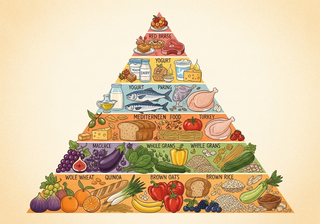
Unlike commercial diets, the Mediterranean diet doesn't have a single, rigid definition. It's a flexible eating pattern based on the traditional cuisines of countries bordering the Mediterranean Sea, such as Greece, Italy, and Spain. Its core principles are simple and focus on whole, minimally processed foods.
Key Components:
- Foundation of Plants: Vegetables, fruits, whole grains, legumes (beans, lentils), nuts, and seeds form the base of every meal.
- Primary Fat Source: Extra virgin olive oil replaces butter, margarine, and other fats. It is used generously in cooking and as a dressing.
- Fish and Seafood: Eaten regularly, at least twice a week, providing crucial omega-3 fatty acids.
- Moderate Poultry, Eggs, and Dairy: Chicken, turkey, cheese, and yogurt are consumed in smaller portions than in a typical Western diet.
- Infrequent Red Meat and Sweets: Red meat is limited to a few times per month, and sugary desserts are reserved for special occasions.
- Herbs and Spices: Used abundantly to flavor food instead of relying on excess salt.
- Lifestyle Elements: The diet is often accompanied by regular physical activity, social meals with family and friends, and (optional) moderate red wine consumption with meals.
3. The Science Behind the Benefits: Key Health Mechanisms
The acclaim for the Mediterranean diet is built on a mountain of high-quality scientific evidence, from large-scale observational studies to randomized controlled trials (RCTs).
"The PREDIMED trial was a landmark study. It provided high-level evidence that a Mediterranean diet, supplemented with extra-virgin olive oil or nuts, achieved a substantial reduction in the risk of major cardiovascular events among high-risk persons." — Published in The New England Journal of Medicine (NEJM)[3].
Cardiovascular Health
This is the most well-documented benefit. The diet's high content of monounsaturated fats (from olive oil), omega-3s (from fish), fiber, and antioxidants works synergistically to lower LDL ("bad") cholesterol, reduce inflammation, improve blood vessel function, and lower blood pressure[4].
Brain Health and Cognitive Function
The same anti-inflammatory and antioxidant properties that protect the heart also protect the brain. A meta-analysis published in the journal *Epidemiology* found that high adherence to the diet was associated with a slower rate of cognitive decline and a reduced risk of developing Alzheimer's disease[5].
Metabolic Health and Type 2 Diabetes
By emphasizing high-fiber, low-glycemic-index foods, the diet helps stabilize blood sugar levels. A Cochrane Review concluded that this eating pattern can improve glycemic control in individuals already diagnosed with type 2 diabetes and can significantly reduce the incidence of the disease in healthy populations[6].
4. Potential Risks and Practical Challenges
While overwhelmingly beneficial, the Mediterranean diet requires mindful application to avoid potential pitfalls.
- Calorie Density: Healthy fats like olive oil and nuts are calorie-dense. Without attention to portion sizes, it's possible to overconsume calories, hindering weight management goals.
- Cost and Accessibility: Fresh fish, high-quality produce, and extra virgin olive oil can be more expensive than processed foods. Access to fresh ingredients can also be a challenge in some areas.
- Potential Nutrient Gaps: If not well-planned, a lower intake of red meat and dairy could lead to lower levels of iron and calcium. It's important to include iron-rich plant sources (like lentils and spinach) and calcium sources (like leafy greens, sardines, and fortified foods).
- Misinterpretation: Focusing only on adding pasta and wine without increasing vegetable and fish intake is a common mistake. It's about the entire pattern, not just individual foods.
Video: A Doctor Explains the Mediterranean Diet
In this video, a Mayo Clinic expert breaks down the basics and benefits of the Mediterranean diet.
5. How to Adopt the Mediterranean Lifestyle: A Practical Guide
Transitioning to a Mediterranean way of eating is about making simple, sustainable swaps rather than a drastic overhaul.
- Make Olive Oil Your Primary Fat: Use extra virgin olive oil for sautéing, roasting, and dressing salads. Swap out butter and processed vegetable oils.
- Eat More Vegetables: Aim to fill half your plate with vegetables at every meal. Try roasting them with olive oil and herbs for incredible flavor.
- Rethink Meat: Use meat as a flavor accent rather than the centerpiece of a meal. Add small amounts of chicken to a large vegetable stir-fry or salad.
- Embrace Whole Grains: Switch from white bread, pasta, and rice to their whole-grain counterparts like quinoa, farro, brown rice, and whole-wheat bread.
- Snack Smart: Replace chips and crackers with a handful of unsalted nuts (almonds, walnuts), seeds, or fresh fruit.
- Eat Fish Twice a Week: Grill, bake, or broil fatty fish like salmon, mackerel, herring, or sardines.
6. Quick Tips & Recommendations Checklist
- ✔
Build Meals Around Veggies
Start planning your dinner with the vegetable component first.
- ✔
Go Meatless One Day a Week
"Meatless Monday" is a great way to focus on plant-based proteins like beans and lentils.
- ✔
Enjoy Fruit for Dessert
Swap cakes and cookies for fresh or baked fruits like figs, berries, or apples.
- ✖
Avoid Sugary Beverages
Stick to water, herbal tea, or coffee. Soda and sweetened juices are a primary source of empty calories.
- ✖
Limit Processed Foods
If it comes in a box with a long list of ingredients you can't pronounce, it likely doesn't fit the Mediterranean pattern.
7. Summary Table: Mediterranean vs. Western Diet
| Food Group | Typical Western Diet | Mediterranean Diet |
|---|---|---|
| Main Fat | Butter, margarine, processed oils | Extra virgin olive oil |
| Protein | High in red/processed meat | High in fish, legumes; moderate poultry |
| Grains | Refined (white bread, pasta) | Whole (brown rice, quinoa, oats) |
| Sweets | Frequent; high in added sugar | Infrequent; fresh fruit is typical dessert |
| Flavoring | High salt, processed sauces | Herbs, spices, garlic, onions |
8. Conclusion: A Sustainable Blueprint for Health in 2025
The Mediterranean diet has stood the test of time for a reason. It is not a restrictive fad but a joyful, flavorful, and scientifically-validated approach to eating that nourishes the body and mind. Its emphasis on whole foods, healthy fats, and plant-based nutrition provides a powerful defense against the most common chronic diseases of our time.
As we navigate the complexities of modern health, the simplicity and sustainability of the Mediterranean lifestyle offer a clear blueprint. By making small, consistent changes, you can adopt this way of eating not as a temporary diet, but as a lifelong commitment to wellness, vitality, and longevity for 2025 and many years to come.
Start Your Healthy Eating Journey Today
Subscribe to our newsletter for recipes, tips, and the latest health research delivered to your inbox.
9. Frequently Asked Questions (FAQ)
Is the Mediterranean Diet good for weight loss?
Yes, but it's not a 'quick fix' diet. The focus on whole foods, fiber, and healthy fats promotes satiety and can lead to sustainable weight loss over time. Numerous studies show it's more effective for long-term weight management than low-fat diets[10]. However, portion control is still important as healthy fats are calorie-dense.
Do I have to drink red wine on the Mediterranean Diet?
No, absolutely not. While moderate red wine consumption (typically with meals) is a traditional component, it is entirely optional. Health organizations like the American Heart Association do not recommend starting to drink alcohol for any potential health benefits. You can gain all the diet's benefits without it.
Is the Mediterranean Diet expensive?
It can be, but it doesn't have to be. You can make it budget-friendly by choosing seasonal produce, buying whole grains and legumes in bulk, using frozen fruits and vegetables, and opting for less expensive fish like canned sardines or tuna.
References
- Willett, W. C., Sacks, F., Trichopoulou, A., et al. Mediterranean diet pyramid: a cultural model for healthy eating. The American journal of clinical nutrition. 1995;61(6 Suppl):1402S-1406S. (Foundational Paper)
- World Health Organization (WHO). Healthy diet. Fact Sheet. 2020.
- Estruch, R., Ros, E., Salas-Salvadó, J., et al. Primary Prevention of Cardiovascular Disease with a Mediterranean Diet. New England Journal of Medicine. 2013;368(14):1279-90. (Landmark Randomized Controlled Trial - RCT)
- Harvard T.H. Chan School of Public Health. Diet Review: Mediterranean Diet. The Nutrition Source. 2023.
- Lourida, I., Soni, M., Thompson-Coon, J., et al. Mediterranean diet, cognitive function, and dementia: a systematic review. Epidemiology. 2013;24(4):479-89. (Systematic Review & Meta-Analysis)
- Esposito, K., Maiorino, M. I., Bellastella, G., & Giugliano, D. A journey into a Mediterranean diet and type 2 diabetes: a systematic review with meta-analyses. BMJ Open. 2015;5(8):e008222. (Systematic Review & Meta-Analysis)
- Mayo Clinic. Mediterranean diet for heart health. Patient Care & Health Information. 2023.
- Guasch-Ferré, M., & Willett, W. C. The Mediterranean Diet and Health: A Comprehensive Overview. Journal of the American College of Cardiology. 2021;78(16):1643-1645. (Review)
- Trichopoulou, A., & Lagiou, P. Healthy traditional Mediterranean diet: an expression of culture, history, and lifestyle. The Lancet. 2007;369(9578):1987-1989. (Commentary)
- Mancini, J. G., Filion, K. B., Atallah, R., & Eisenberg, M. J. Systematic Review of the Mediterranean Diet for Long-Term Weight Loss. The American Journal of Medicine. 2016;129(4):407-415.e4. (Systematic Review)
Belum ada Komentar untuk "THE MEDITERRANEAN DIET: THE HEALTHIEST WAY TO EAT IN 2025"
Posting Komentar