
BEST ANTI-INFLAMMATORY DIETS BACKED BY SCIENCE IN 2025
BEST ANTI-INFLAMMATORY DIETS BACKED BY SCIENCE IN 2025
Author: ZONA SEHAT | 05 September 2025
Introduction: Understanding Chronic Inflammation
Inflammation, in medical terms, is a natural and vital response of the immune system to injury or infection. It is a defense mechanism designed to protect the body and initiate the healing process. However, when this response becomes prolonged and uncontrolled, it transforms into a condition known as chronic inflammation. Unlike acute inflammation which is brief and localized, chronic inflammation can last for months, even years, damaging healthy cells and tissues, and becoming a major trigger for various chronic diseases, including heart disease, type 2 diabetes, and some types of cancer. Chronic inflammation often shows no clear symptoms, making it a 'silent killer' operating within our bodies. Therefore, recognizing and addressing its triggers is extremely important.
In the fast-paced modern world, where unhealthy eating habits and sedentary lifestyles are becoming increasingly common, chronic inflammation has become a global health issue. Fortunately, science continues to advance, and we now have a better understanding of how nutrition can be used as a powerful tool to combat inflammation. This article will delve deeply into the best anti-inflammatory diets supported by the latest scientific research in 2025. We will explore its basic principles, triggering factors, and practical strategies for integrating this eating pattern into your daily life for better health and improved quality of life.
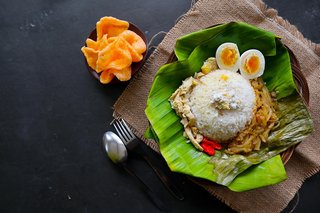
Main Topic Explanation: The Anti-Inflammatory Diet, A Definition
An anti-inflammatory diet is not a strict diet with complex rules, but rather an eating pattern that emphasizes the consumption of whole foods rich in nutrients and antioxidants, while minimizing or avoiding foods known to be inflammatory triggers. It's a holistic approach that focuses on balance, sustainability, and optimal nutrition. The main principle is to choose foods that can soothe the body's natural inflammatory response, not trigger it. This concept has been reinforced by decades of scientific research showing a strong correlation between diet and inflammation levels in the body.
Here are some of the leading anti-inflammatory diets recognized by the scientific community in 2025:
1. The Mediterranean Diet
Widely regarded as the 'gold standard' of healthy eating patterns, the Mediterranean Diet centers on plant-based foods such as fruits, vegetables, whole grains, nuts, and healthy fats from extra virgin olive oil. Fish is consumed in moderation, while red meat and poultry are limited. This diet is rich in antioxidants, fiber, and Omega-3 fatty acids, all of which are known to have powerful anti-inflammatory properties.
2. The DASH Diet (Dietary Approaches to Stop Hypertension)
Originally designed to lower blood pressure, the DASH Diet effectively reduces inflammation by promoting the consumption of fruits, vegetables, whole grains, and low-fat dairy products. This diet strictly limits sodium, added sugars, and saturated fats, which are often major inflammatory triggers.
3. The MIND Diet (Mediterranean-DASH Intervention for Neurodegenerative Delay)
As an innovative combination of the Mediterranean and DASH Diets, the MIND Diet is specifically designed to improve brain health. It emphasizes the consumption of green leafy vegetables, berries, and whole grains, all of which have been shown to reduce neural inflammation and the risk of neurodegenerative diseases like Alzheimer's.
4. The Paleo Diet (Modified Version)
Although the original version is quite controversial, a modified version of the Paleo Diet that eliminates grains and processed products can be an effective anti-inflammatory approach. This diet focuses on lean meat, fish, fruits, and vegetables, while avoiding processed foods, sugar, and dairy products that often trigger inflammation in some individuals.
Factors Influencing Inflammation
Diet is a major factor influencing inflammation levels in the body, but it's not the only one. Overall lifestyle plays a crucial role. Understanding these factors will provide a more complete picture of how we can effectively manage inflammation.
- Food Type: Processed foods, added sugars, trans fats, and processed vegetable oils (like corn and soybean oil) are major inflammatory triggers.
- Chronic Stress: Prolonged physical and mental stress can increase cortisol production, which in turn can trigger inflammation.
- Lack of Sleep: Consistent lack of sleep can disrupt the regulation of hormones and the immune system, leading to increased inflammation.
- Physical Activity: Regular exercise can help reduce inflammation and improve overall health. However, excessive exercise without sufficient recovery can actually trigger inflammation.
- Genetic Factors: Some individuals may have a genetic predisposition to higher inflammation, making them more susceptible to chronic diseases.
Watch a Video on Anti-Inflammatory Diets
Risks & Challenges of Following the Diet
Despite its significant benefits, transitioning to an anti-inflammatory eating pattern can face several challenges. Recognizing these risks will help you prepare and face them more effectively.
- Nutrient Deficiencies: If not planned well, a restrictive diet can lead to deficiencies in vitamins and minerals, such as Vitamin D, B12, and iron.
- Social Challenges: This eating pattern may differ from social norms, which can make it difficult when dining out or attending social events.
- Cost: The fresh and organic foods often recommended in this diet can be more expensive than processed foods.
- Difficulty Adapting: A drastic change in eating habits can be difficult and requires time and patience.
Health Benefits & Opportunities
By addressing the existing challenges, an anti-inflammatory diet offers a host of benefits that can fundamentally transform your health. These benefits are not only related to disease prevention but also to an overall improvement in the quality of life.
- Reduced Risk of Chronic Diseases: Lowering the risk of heart disease, type 2 diabetes, and autoimmune diseases.
- Improved Brain Health: Better memory, sharper focus, and a lower risk of dementia.
- Weight Management: A diet rich in fiber and protein can help maintain a healthy weight.
- Healthier Skin: Reducing inflammation can help address skin conditions like acne, psoriasis, and eczema.
- Increased Energy & Sleep Quality: Reducing chronic fatigue and improving rest quality.
Strategies & How to Manage the Diet
Integrating an anti-inflammatory eating pattern into your daily routine requires a smart strategy. Here are some practical steps you can take:
1. Start Small
There is no need to make drastic changes overnight. Start by adding one or two servings of green vegetables to each meal, or replacing a sweet snack with berries.
2. Plan Your Weekly Menu
Planning is the key to success. Make a shopping list and prepare meals in advance to avoid the temptation of unhealthy foods.
3. Experiment in the Kitchen
Explore new recipes that use anti-inflammatory ingredients. Cooking at home gives you full control over ingredients and preparation methods.
4. Stay Hydrated
Make sure you drink enough water throughout the day. Good hydration is important for optimal body function and can help reduce inflammation.
Tips & Recommendations
Here are practical tips for starting an anti-inflammatory diet and the foods you should prioritize:
Recommended Anti-Inflammatory Foods:
- Brightly Colored Fruits & Vegetables: Spinach, kale, broccoli, berries, cherries, and oranges.
- Healthy Fats: Avocados, extra virgin olive oil, and nuts (almonds, walnuts).
- Lean Protein: Fatty fish (salmon, sardines, mackerel), skinless chicken.
- Whole Grains: Oats, quinoa, brown rice, and whole wheat.
- Herbs & Spices: Ginger, turmeric, garlic, and rosemary.
- Green Tea: Rich in the antioxidant EGCG.
Foods to Limit:
- Processed and packaged foods.
- Added sugars, soda, and candy.
- Excessive processed and red meat.
- Trans fats and partially hydrogenated oils.
Food Summary Table
| Category | Recommended Foods | Foods to Avoid |
|---|---|---|
| Protein | Fatty fish (salmon), nuts, tofu | Processed red meat, sausages |
| Carbohydrates | Brown rice, sweet potatoes, quinoa | White bread, pasta, cakes |
| Fats | Extra virgin olive oil, avocado | Processed vegetable oils, margarine |
| Fruits & Vegetables | Berries, leafy greens, tomatoes | French fries, canned fruits |
| Beverages | Green tea, water, fresh fruit juice | Soda, energy drinks |
Conclusion: Your Healthy Future is in Your Hands
Chronic inflammation is a real threat to modern health, but we have a powerful weapon to fight it: diet. By adopting the principles of science-backed anti-inflammatory diets, you can not only reduce the risk of chronic diseases but also experience increased energy, vitality, and overall quality of life. Start with small steps, make food your medicine, and watch how your body responds positively. [Image of healthy eating lifestyle] Remember, the journey to optimal health is a marathon, not a sprint. Commitment and consistency are the main keys. Let's make 2025 a turning point to embrace a healthier and inflammation-free lifestyle.
Join the Healthy Zone Community!
Get exclusive tips, recipes, and insights on health and a healthy lifestyle delivered straight to your inbox. Sign up now to receive our free guide on "10 Anti-Inflammatory Recipes in 30 Minutes."
FAQ: Frequently Asked Questions
What is chronic inflammation?
Chronic inflammation is a prolonged immune response that occurs when the body is constantly exposed to inflammatory triggers. This condition can damage cells and tissues and contribute to various chronic diseases like heart disease, diabetes, and arthritis.
Is an anti-inflammatory diet suitable for everyone?
Generally, an anti-inflammatory diet is safe and beneficial for many people. However, always consult a healthcare professional or nutritionist before starting a new diet plan, especially if you have specific medical conditions or are on medication.
How long does it take to see results?
Results vary for each individual, but many people report feeling better and experiencing a reduction in symptoms like joint pain or fatigue after a few weeks to several months of consistently following an anti-inflammatory diet. Consistency is key.
Are anti-inflammatory supplements necessary?
Many supplements, such as fish oil, curcumin, and ginger, have anti-inflammatory properties. However, getting nutrients from whole foods is always the best option. Consult your doctor before taking supplements to ensure safety.
Can I eat red meat on this diet?
Red meat is not completely forbidden, but it's recommended to limit its consumption. Choose lean red meat and consume it in small portions, while prioritizing plant-based protein or fatty fish rich in omega-3s.
Disclaimer
This article is for educational and informational purposes only. The information presented is not intended to replace professional medical diagnosis, treatment, or advice. Always consult with your doctor or a registered dietitian before starting any new diet or health program.
Belum ada Komentar untuk "BEST ANTI-INFLAMMATORY DIETS BACKED BY SCIENCE IN 2025"
Posting Komentar