
10 SCIENCE-BACKED WAYS TO BOOST YOUR IMMUNE SYSTEM NATURALLY
10 SCIENCE-BACKED WAYS TO BOOST YOUR IMMUNE SYSTEM NATURALLY
By ZONA SEHAT | Published on
Table of Contents
- 1. Introduction
- 2. Understanding Your Immune System
- 3. Factors That Influence Immunity
- 4. The Challenge of "Boosting" Immunity
- 5. 10 Science-Backed Ways to Boost Immunity
- 6. Summary Table: Benefits vs. Risks
- 7. Actionable Tips & Daily Checklist
- 8. Conclusion
- 9. Frequently Asked Questions (FAQ)
- 10. References
1. Introduction
In a world of constant change and exposure to pathogens, a resilient immune system is your body's most valuable asset. It is a complex network of cells, tissues, and organs that work in concert to defend you against invaders like bacteria, viruses, and fungi. While many products promise a "magic bullet" to boost immunity, the truth is far more nuanced and empowering. A truly robust immune system is not built overnight with a single supplement, but rather nurtured over time through a combination of consistent, evidence-based lifestyle choices.
This article delves into the science behind immune health, debunking myths and providing a comprehensive guide to ten proven strategies. We will explore everything from the power of a nutrient-dense diet and the critical role of sleep to the impact of stress and the surprising benefits of regular exercise. Each recommendation is grounded in solid research from leading health organizations and reputable scientific journals, offering you a roadmap to naturally fortify your body's defenses. Let's embark on this journey to proactive wellness, starting with a foundational understanding of what immunity truly means.
2. Understanding Your Immune System: The Body's Defense Network
The immune system is not a single entity but a sophisticated, integrated network of cells, organs, and humoral factors that work together to protect the body. It consists of two main components: the innate immune system and the adaptive immune system [6]. The innate system provides an immediate, non-specific response to threats, acting as the first line of defense through physical barriers (like the skin and mucous membranes) and specialized cells (such as phagocytes). The adaptive immune system, on the other hand, is a more sophisticated and targeted defense mechanism. It 'remembers' specific pathogens after initial exposure, allowing for a faster and more effective response upon subsequent encounters.
The delicate balance of this system is key. An underactive immune system can lead to immunodeficiency, making you susceptible to frequent infections, while an overactive response can result in autoimmune diseases, where the body mistakenly attacks its own healthy tissues [6]. The goal of a healthy lifestyle is not to "hyper-boost" this system but to support its normal, balanced function, ensuring it is ready and responsive when needed.
3. Factors That Influence Immunity
Immune function is a dynamic process influenced by a multitude of internal and external factors. Understanding these can help us better manage our health:
- Genetics: Our genetic makeup plays a foundational role in how our immune system is structured and how it responds.
- Age: Immune function naturally declines with age, a process known as immunosenescence [5]. This can make older adults more vulnerable to infections.
- Lifestyle: This is the area where we have the most control. Diet, physical activity, sleep, and stress levels all have a profound impact.
- Environment: Exposure to pollutants, toxins, and even social and economic factors can influence immune responses [8]. For example, chronic stress can suppress the immune system's response, making individuals more susceptible to illness.
- Chronic Conditions: Diseases like diabetes, heart disease, and obesity are known to impair immune function and increase the risk of severe infections [1].
4. The Challenge of "Boosting" Immunity: Risks and Considerations
The term "immune-boosting" can be misleading. A balanced, not overactive, immune system is the ideal state. Attempting to force the system into overdrive with high doses of a single supplement or unproven remedies can lead to significant clinical considerations and potential dangers. For example, some supplements can interfere with medications or cause adverse effects. While vitamins like C and D are vital, excessive intake can lead to toxicity, such as hypercalcemia from too much vitamin D [8].
Furthermore, relying on quick fixes can lead to a neglect of foundational health practices, such as proper hygiene. Good old-fashioned handwashing is one of the most effective ways to prevent the spread of germs, a practice backed by organizations like the WHO and CDC [2]. It is also important to note that many claims about "immune-boosting" products are not supported by large-scale randomized controlled trials (RCTs) or meta-analyses, and are often based on anecdotal or observational evidence, which can be less reliable. Always consult a healthcare professional before starting any new supplement regimen.
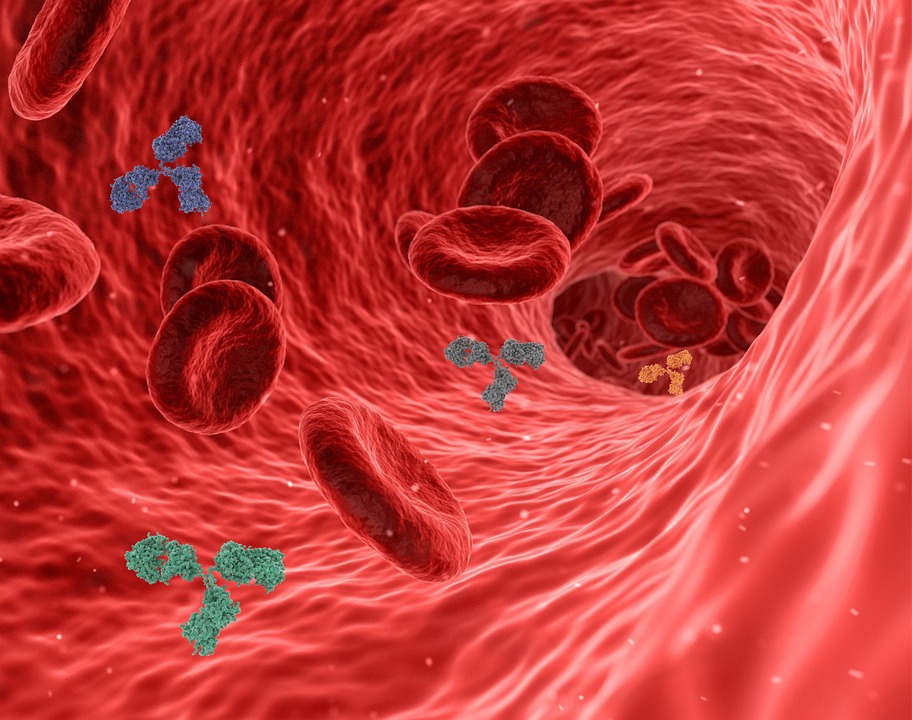
5. 10 Science-Backed Ways to Nurture Your Immune System
1. Prioritize Quality Sleep
Sleep is not a luxury; it is a critical biological process for immune function. During sleep, your body produces and releases cytokines, which are proteins that help fight infection and inflammation [4]. Lack of sleep can significantly decrease the production of these protective cytokines and T cells, which are essential for a targeted immune response. A study published in Sleep found that individuals who slept less than six hours a night were more than four times as likely to catch a cold after being exposed to the virus than those who slept more than seven hours [9].
Protect your eyes from digital strain to improve your sleep quality.
2. Embrace a Nutrient-Dense Diet
A well-balanced diet provides the building blocks for a healthy immune system. Vitamins and minerals like Vitamin C, Vitamin D, Zinc, and Selenium are crucial for the development and function of immune cells. A review in the journal Nutrients highlights the synergistic roles of various micronutrients in supporting immune responses [8]. Foods like citrus fruits, broccoli, spinach, garlic, and ginger are packed with these essential nutrients. Fermented foods such as yogurt, kefir, and sauerkraut also provide beneficial probiotics that support a healthy gut microbiome, which is strongly linked to immune function.
3. Exercise Regularly and Moderately
Regular physical activity can improve immune surveillance by increasing the circulation of immune cells throughout the body, helping them detect pathogens more effectively [7]. Moderate exercise, such as a brisk walk or a bike ride, can also reduce inflammation and lower stress. The Mayo Clinic recommends at least 30 minutes of moderate exercise on most days of the week [7]. However, it's important to find a balance; over-training can actually suppress the immune system, leaving you more vulnerable.
Understanding the body's needs during exercise can even help with post-surgery recovery.
4. Manage Your Stress
Chronic stress has a well-documented negative impact on immune health. It leads to the release of cortisol, a hormone that can suppress immune function over time [1]. The constant state of 'fight or flight' redirects the body's energy away from essential immune maintenance. Mindfulness meditation, deep breathing exercises, yoga, and spending time in nature have all been shown to reduce stress hormones and support a healthier immune response.
5. Stay Hydrated
Water is essential for nearly every bodily function, including the health of your immune system. It helps to transport nutrients to cells and flush out toxins. Dehydration can hinder these processes, making it harder for your immune system to work efficiently. Aim for at least eight glasses of water a day, or more if you are physically active or in a hot climate.
6. Get Your Vitamins (But Be Smart About It)
As mentioned, key vitamins like C, D, and Zinc are crucial. A Cochrane review on Vitamin C and the common cold suggests that while supplements may not prevent colds, they can reduce the duration and severity of symptoms [10]. For Vitamin D, often called the "sunshine vitamin," many people are deficient, especially in winter. The National Institutes of Health (NIH) emphasizes its role in modulating the immune system and protecting against respiratory infections [3].
But remember, the truth about blue light glasses is often misunderstood, just like the nuances of supplement intake. A balanced approach is key.
7. Maintain a Healthy Weight
Obesity and being underweight can both negatively impact immune function [1]. Excess body fat can lead to chronic, low-grade inflammation that impairs the immune system’s ability to respond to threats. Conversely, being underweight can indicate nutrient deficiencies that weaken your body's defenses. Maintaining a healthy BMI (Body Mass Index) through diet and exercise is a powerful strategy for long-term immune health.
8. Practice Good Hygiene
This may seem simple, but it is one of the most effective preventive measures. The CDC and WHO consistently recommend frequent handwashing with soap and water for at least 20 seconds to prevent the spread of germs. This is especially important before eating, after using the restroom, and after being in public spaces [2].
9. Limit Alcohol and Avoid Smoking
Excessive alcohol consumption can weaken the immune system and impair its ability to fight off infections. It can lead to a decrease in the number of immune cells and make the body more susceptible to respiratory illnesses. Smoking, in particular, damages the lungs and can compromise the entire immune system, making smokers more prone to viral and bacterial infections [1].
10. Nurture Your Gut Health
Your gut microbiome is a complex ecosystem of microorganisms that plays a central role in immune function. A healthy, diverse gut flora helps to regulate the immune system and ward off harmful pathogens. You can support your gut health by eating a diet rich in fiber (from fruits, vegetables, and whole grains) and including probiotic-rich foods. Studies show a clear link between a balanced gut and a strong immune response [8].
6. Summary Table: Benefits vs. Risks & Recommendations
| Strategy | Key Benefits (Evidence) | Potential Risks & Considerations | Recommendation |
|---|---|---|---|
| Sleep | Increased cytokine production, enhanced T-cell function [9]. | Chronic sleep deprivation can suppress immunity. | Aim for 7-9 hours per night. |
| Diet | Provides essential vitamins and minerals for immune cell function [8]. | Excessive intake of certain nutrients can be toxic. | Focus on a balanced diet rich in whole foods. |
| Exercise | Improved circulation of immune cells, reduced inflammation [7]. | Over-training can temporarily suppress immunity. | Engage in moderate, consistent activity. |
| Stress Management | Reduces cortisol levels, prevents immune suppression [1]. | Inconsistent practice offers limited benefits. | Incorporate daily relaxation techniques. |
7. Actionable Tips: Your Daily Checklist
To make these strategies a part of your daily life, here is a simple checklist:
- Start your day with a glass of water.
- Add a serving of fruits or vegetables to every meal.
- Take a 30-minute walk during your lunch break.
- Practice 5-10 minutes of deep breathing before bed.
- Aim to go to bed and wake up at the same time each day.
- Wash your hands frequently, especially after being out.
- Keep a small bottle of hand sanitizer with you.
8. Conclusion
A strong immune system is a product of consistent, healthy habits, not a miraculous single intervention. The evidence is clear: by prioritizing quality sleep, a balanced diet, regular exercise, and effective stress management, you can create an environment where your body's natural defenses can thrive. While no single action can guarantee immunity from all illness, this holistic approach offers the most reliable and sustainable path to long-term health and resilience. Taking control of these foundational aspects of your life is the most powerful step you can take to protect yourself and your loved ones.
Ready to Take Control of Your Health?
Join our newsletter to get our science-backed wellness guides and checklists delivered straight to your inbox. Take the first step towards a healthier you!
9. Frequently Asked Questions (FAQ)
Q: Can I really boost my immune system with diet alone?
A: While diet is a cornerstone of immune health, a holistic approach including proper sleep, stress management, and exercise is most effective. No single food or supplement is a magic bullet.
Q: What is the most important nutrient for a strong immune system?
A: There isn't one single 'most important' nutrient. Vitamins C and D, as well as zinc, are widely studied for their crucial roles, but a broad spectrum of micronutrients is necessary for optimal function [8].
Q: Is it possible to have an overactive immune system?
A: Yes, an overactive immune response can lead to autoimmune diseases, allergies, and chronic inflammation. The goal is a balanced, responsive immune system, not an overly aggressive one.
Q: How does stress weaken my immune system?
A: Chronic stress causes the body to release cortisol, a hormone that can suppress the effectiveness of the immune system by reducing the production of lymphocytes, which are the white blood cells that fight infection [1].
Q: Are herbal remedies effective for immunity?
A: While some herbs have traditional uses, the scientific evidence for many "immune-boosting" herbal remedies is often limited. It's crucial to be cautious, as some can have side effects or interact with medications. Always consult a healthcare professional before use.
10. References
St James's Hospital. "Ten ways to help your Immune System." https://www.stjames.ie/services/med/clinicalimmunology/tenwaystohelpyourimmunesystem/
Centers for Disease Control and Prevention. "Vaccines for Moderately to Severely Immunocompromised People | COVID-19." https://www.cdc.gov/covid/vaccines/immunocompromised-people.html
National Institutes of Health. "Dietary Supplements for Immune Function and Infectious Diseases - Health Professional Fact Sheet." https://ods.od.nih.gov/factsheets/ImmuneFunction-HealthProfessional/
The Lancet. "An overview of the immune system." Jun 2, 2001; 357(9270): 1777-89. https://pubmed.ncbi.nlm.nih.gov/11403834/
Mayo Clinic. "Mayo Clinic Minute: How to maintain a healthy immune system." YouTube, Feb 17, 2022. https://www.youtube.com/watch?v=8f6p1b9zF4Q
Mayo Clinic Health System. "Fight off the flu with immune-boosting nutrients." https://www.mayoclinichealthsystem.org/hometown-health/speaking-of-health/fight-off-the-flu-with-nutrients
PubMed Central. "Vaccination and natural immunity: Advantages and risks as a matter of public health policy." https://pmc.ncbi.nlm.nih.gov/articles/PMC8957290/
PubMed Central. "A Review of Micronutrients and the Immune System–Working in Harmony to Reduce the Risk of Infection." https://pmc.ncbi.nlm.nih.gov/articles/PMC7019735/
The Guardian. "What you need to know about Covid vaccines in the US this fall." https://www.theguardian.com/wellness/2025/sep/02/what-to-know-covid-vaccine
Hôpital de La Tour. "Food and the immune system: a practical guide." https://www.la-tour.ch/en/advices/food-and-immune-system-practical-guide
Disclaimer
The information provided in this article is for informational and educational purposes only and is not intended as a substitute for professional medical advice, diagnosis, or treatment. Always seek the advice of your physician or other qualified health provider with any questions you may have regarding a medical condition. Never disregard professional medical advice or delay in seeking it because of something you have read on this website. ZONA SEHAT does not endorse any specific tests, physicians, products, procedures, opinions, or other information that may be mentioned in this article. Relying on any information provided by this article is solely at your own risk. This information is a general guideline and should not be considered a personal health plan. Always consult your doctor before making any major changes to your diet, exercise, or lifestyle. For a full disclaimer, visit our Disclaimer page.
Belum ada Komentar untuk "10 SCIENCE-BACKED WAYS TO BOOST YOUR IMMUNE SYSTEM NATURALLY"
Posting Komentar